
Table of Contents
- Introduction
- Who Was Mahatma Gandhi?
- The Tragic Incident of 30th January 1948
- Why is 30th January Observed as Martyrdom Day?
- The Relevance of Gandhi’s Ideals Today
- Commemorating Gandhi’s Sacrifice
- Conclusion
Introduction
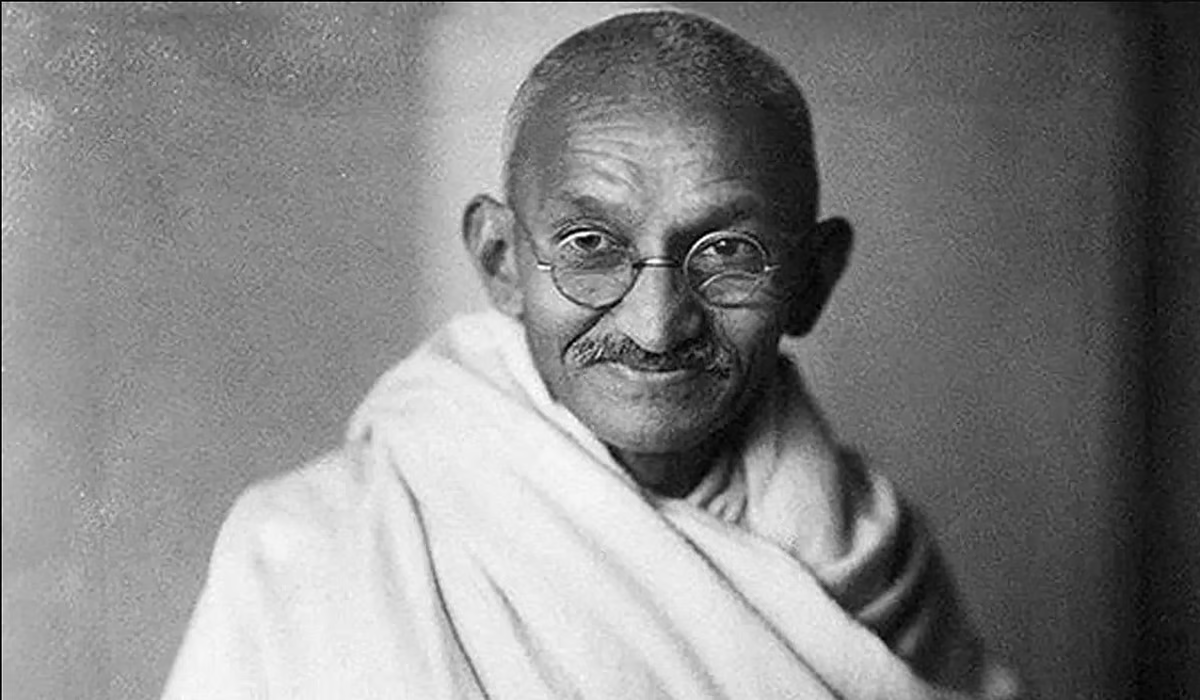
Mahatma Gandhi, the Father of the Nation, was not just a leader but a symbol of truth, non-violence, and resilience. His assassination on 30th January 1948 was a dark day in Indian history, yet his legacy continues to inspire millions worldwide. This day, observed as Martyrdom Day or Shaheed Diwas, serves as a solemn reminder of his sacrifice and teachings.
Who Was Mahatma Gandhi?
Mohandas Karamchand Gandhi, fondly known as Bapu, was a prominent leader of the Indian freedom struggle. Through his principles of non-violence (Ahimsa) and civil disobedience (Satyagraha), he spearheaded India’s independence movement against British rule. His philosophy influenced global leaders, making him an icon of peace and humanity.
The Tragic Incident of 30th January 1948
On this fateful day, Gandhi was assassinated in the Birla House, New Delhi, by Nathuram Godse, a radical nationalist. As he walked towards his evening prayer meeting, three bullets struck him, bringing an abrupt end to the life of a man who had dedicated himself to the service of humanity. His last words, “Hey Ram,” echoed his lifelong faith in truth and righteousness.
Why is 30th January Observed as Martyrdom Day?
To honor Gandhi’s unparalleled contribution to India’s independence and his commitment to peace, 30th January is observed as Martyrdom Day across India. The President, Prime Minister, and other dignitaries pay homage at Raj Ghat, Gandhi’s memorial, through silent prayers and floral tributes. The nation observes a two-minute silence to reflect upon his sacrifices.
The Relevance of Gandhi’s Ideals Today
Even after decades, Gandhi’s teachings remain highly relevant. His advocacy for truth, non-violence, and self-reliance finds application in contemporary struggles for justice and equality worldwide. In an era of increasing conflict and intolerance, his principles offer a pathway to peace and reconciliation.
Commemorating Gandhi’s Sacrifice
Educational institutions, social organizations, and government bodies organize special events such as lectures, cultural programs, and discussions on Gandhi’s philosophies. Schools hold essay competitions and skits highlighting his values, ensuring that the younger generation continues to draw inspiration from his life.
Conclusion
30th January is not just a day of mourning but a moment of introspection. It urges us to revisit Gandhi’s vision of an inclusive, harmonious world. As we observe Martyrdom Day, let us pledge to imbibe his values in our daily lives and work towards a society built on truth, peace, and non-violence.
Mahatma Gandhi may have left the world physically, but his ideals remain immortal, guiding humanity towards a brighter and more just future.