
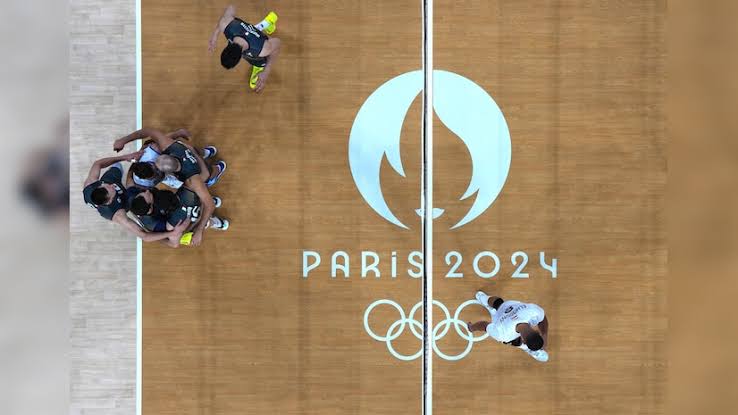
Technology plays a crucial role in shaping the fan experience at major events like the Olympic Games. From immersive experiences to improved accessibility, technological innovations are transforming how spectators engage with the Games. This blog explores the various ways technology enhances the fan experience at the Olympics, from virtual reality to mobile apps, and looks at future trends that could further elevate the spectator experience.
1. The Role of Technology in the Fan Experience
A. Immersive Experiences
Advancements in technology have made it possible for fans to experience the Olympics in new and exciting ways. Immersive experiences, such as virtual reality (VR) and augmented reality (AR), allow spectators to engage with the Games from different perspectives. VR can transport viewers to the heart of the action, while AR can provide additional information and interactive features during live broadcasts.
B. Real-Time Data and Analytics
Real-time data and analytics provide fans with up-to-the-minute information about events, athletes, and scores. Enhanced statistics and live updates can enrich the viewing experience, offering insights into performance and competition dynamics. This data can be accessed through various platforms, including TV broadcasts, mobile apps, and online websites.
C. Mobile Apps and Digital Platforms
Mobile apps and digital platforms have become essential tools for enhancing the fan experience. Official Olympic apps offer features such as event schedules, live streaming, athlete profiles, and interactive maps. These apps provide fans with easy access to information and enable them to engage with the Games on the go.
D. Enhanced Broadcasting and Streaming
Broadcasting and streaming technology have revolutionized how fans watch the Olympics. High-definition (HD) and ultra-high-definition (UHD) broadcasts deliver crystal-clear visuals, while streaming services allow viewers to watch events live from anywhere in the world. Innovations such as multi-angle views and 360-degree video provide a more dynamic and engaging viewing experience.
2. Key Technological Innovations
A. Virtual and Augmented Reality
1. Virtual Reality (VR): VR technology allows fans to experience the Olympics in an immersive virtual environment. By wearing VR headsets, viewers can feel as though they are at the venue, experiencing the sights and sounds of the Games firsthand. VR can also provide virtual tours of Olympic venues and behind-the-scenes access.
2. Augmented Reality (AR): AR enhances the live viewing experience by overlaying digital information onto the real world. For example, AR can display live statistics, athlete bios, and event highlights on a viewer’s smartphone or AR glasses. This technology adds an interactive layer to the experience, making it more engaging and informative.
B. Mobile Apps and Wearable Technology
1. Official Olympic Apps: These apps provide fans with comprehensive information about the Games, including schedules, results, and venue maps. They often feature interactive elements, such as live chat and social media integration, allowing fans to connect with others and share their experiences.
2. Wearable Technology: Wearable devices, such as smartwatches and fitness trackers, can enhance the fan experience by providing real-time updates and personalized content. For example, wearables can track physical activity during Olympic events or provide notifications about upcoming competitions.
C. Enhanced Broadcast Technologies
1. 4K and 8K Broadcasting: High-definition broadcasts have become standard, but the introduction of 4K and 8K resolution provides even more detailed and vibrant visuals. These technologies enhance the viewing experience by delivering sharper images and more lifelike colors.
2. Multi-Angle and 360-Degree Cameras: Multi-angle cameras offer viewers different perspectives of the action, while 360-degree cameras allow fans to explore the venue from all angles. These technologies provide a more immersive and interactive viewing experience, allowing fans to choose their preferred view of the event.
3. Improving Accessibility and Inclusivity
A. Digital Accessibility
Ensuring that digital platforms are accessible to all fans is a key aspect of enhancing the fan experience. This includes providing features such as closed captioning, audio descriptions, and easy navigation for users with disabilities. Accessible design ensures that everyone can enjoy the Games, regardless of their physical abilities.
B. Language and Localization
Offering content in multiple languages and tailoring information to local audiences can improve the accessibility of the Games. This includes providing multilingual support on digital platforms, translating event schedules, and offering localized content to engage fans from different regions.
C. Inclusive Design
Inclusive design principles ensure that technology is user-friendly for a diverse range of spectators. This includes designing intuitive interfaces, providing clear instructions, and considering the needs of users with varying levels of tech proficiency. Inclusive design helps create a more enjoyable and accessible experience for all fans.
4. Future Trends in Olympic Technology
A. Artificial Intelligence and Machine Learning
Artificial intelligence (AI) and machine learning are set to play a growing role in enhancing the fan experience. AI can analyze vast amounts of data to provide personalized content, recommendations, and insights. Machine learning algorithms can also improve event prediction and performance analysis, offering fans deeper insights into the Games.
B. 5G Technology
The rollout of 5G technology promises to revolutionize the fan experience by providing faster and more reliable connectivity. With 5G, fans can enjoy seamless live streaming, real-time updates, and enhanced interactive features. This technology will support the growing demand for high-quality digital experiences and enable more immersive engagement with the Games.
C. Blockchain and Digital Collectibles
Blockchain technology has the potential to transform ticketing and memorabilia in the Olympic Games. Digital collectibles and NFTs (non-fungible tokens) can offer fans unique and verifiable experiences, such as virtual tickets and limited-edition merchandise. Blockchain can also enhance security and transparency in ticketing and transactions.
5. Case Studies and Examples
A. The 2016 Rio Olympics
The 2016 Rio Olympics introduced several technological innovations, including the use of VR to provide immersive experiences for fans. The official Rio 2016 app offered real-time updates, live streaming, and interactive features, enhancing the overall viewing experience.
B. The 2020 Tokyo Olympics
The Tokyo 2020 Olympics, held during the COVID-19 pandemic, saw a significant emphasis on digital and remote engagement. The Games featured extensive live streaming, virtual events, and interactive digital platforms to connect with fans worldwide. The use of AR and VR provided new ways for spectators to experience the Olympics from home.
6. Conclusion
Technology has a profound impact on the fan experience at the Olympics, offering new ways to engage with the Games and enhancing accessibility and inclusivity. From immersive VR experiences to advanced broadcast technologies, the innovations in this field are transforming how spectators interact with the event. As technology continues to evolve, the future of Olympic fan experiences promises to be even more dynamic and engaging, bringing the excitement of the Games closer to audiences around the world.