
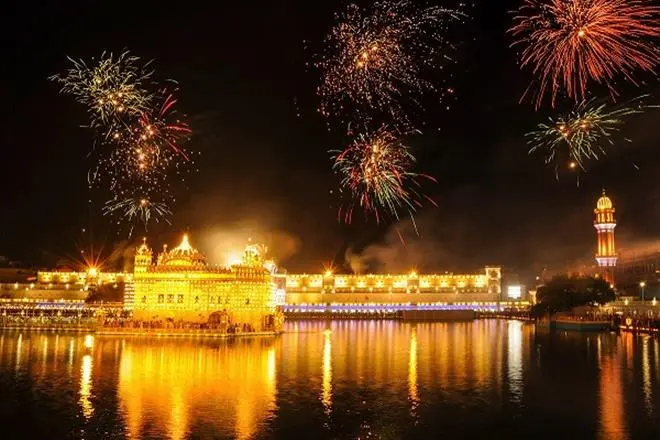
Baisakhi is not just a festival marked by colorful turbans, dhol beats, and joyful dances. It’s a season of soul and soil—a moment when farmers thank the land, Sikhs honor a powerful legacy, and families gather to embrace new beginnings.
But what truly defines the spirit of Baisakhi? And why does it continue to matter in today’s fast-paced, digital world?
Let’s walk through the deeper meaning of this vibrant festival—its traditions, its evolution, and its relevance beyond rituals.
Table of Contents
- The Historical Roots of Baisakhi
- Baisakhi as a Harvest Festival
- The Birth of Khalsa: A Turning Point in Sikh History
- Traditions and Rituals Across Regions
- Modern Festivities: From Fields to Cities
- Why Baisakhi Still Matters Today
- Closing Reflections: A Festival with Purpose
The Historical Roots of Baisakhi
The story of Baisakhi goes back centuries. While it aligns with the solar new year, its significance deepened in 1699, when Guru Gobind Singh Ji, the tenth Sikh Guru, created the Khalsa Panth—a collective of saint-soldiers committed to justice, equality, and fearlessness.
It was a declaration of identity, unity, and spiritual strength. Baisakhi became the day when faith met courage.
Baisakhi as a Harvest Festival
For the farming communities of Punjab, Baisakhi marks the harvest of rabi crops, especially wheat. It’s a time when barns are full, the earth is generous, and hard work turns into celebration.
The day begins with farmers praying at gurdwaras, followed by family feasts, folk dances, and community fairs. It is the land’s reward for months of toil—and a heartfelt thank you to nature.
The Birth of Khalsa: A Turning Point in Sikh History
On 13 April 1699, in Anandpur Sahib, Guru Gobind Singh Ji called upon his followers and initiated the first five Sikhs—the Panj Pyare—into the Khalsa. It was more than a ceremony. It was a transformation.
The Khalsa represented values that are timeless:
- Truth over fear
- Equality over hierarchy
- Service over self
And that’s why even today, Baisakhi is celebrated with amrit ceremonies, processions, and deep spiritual reflection.
Traditions and Rituals Across Regions
Though rooted in Punjab, Baisakhi resonates far beyond.
| Region | Tradition |
| Punjab | Nagar kirtans, bhangra, gidda, langar at gurdwaras |
| Himachal | Local fairs, folk music, community dances |
| Delhi | Processions from Gurdwara Sis Ganj Sahib |
| Canada/UK | Baisakhi parades, kirtan, exhibitions |
| South India | Puthandu, Vishu, and other new year festivals |
Despite cultural differences, the common emotion is joy and renewal.
Modern Festivities: From Fields to Cities
Today, Baisakhi is more than just a rural or religious event. Urban celebrations are growing, with:
- Community fairs in cities
- University events and cultural shows abroad
- Digital celebrations through live streams from gurdwaras
- Sustainability-themed Baisakhi events focusing on eco-friendly farming
The festival has evolved, but its essence remains rooted in gratitude, identity, and community.
Why Baisakhi Still Matters Today
In a world driven by screens, deadlines, and digital noise, Baisakhi reminds us to pause. To:
- Reconnect with the land that feeds us
- Honor courage and unity in our daily lives
- Celebrate heritage not just with rituals, but with awareness
- Support farmers, whose work powers the nation
In many ways, Baisakhi is a timeless message: Gratitude is power. Tradition is identity. And every harvest is a story of resilience.
Closing Reflections: A Festival with Purpose
Baisakhi is more than a date on the calendar. It’s a season of faith and fulfillment, where devotion meets joy, and celebration meets responsibility.
As fields turn golden and voices rise in prayer and song, Baisakhi offers a quiet message to each of us—renew your spirit, honor your roots, and move forward with purpose.
Whether you’re in a village in Punjab or an apartment in Toronto, the spirit of Baisakhi lives on—loud, proud, and deeply human.